



Top 10 Alternative Proteins Companies - 2024
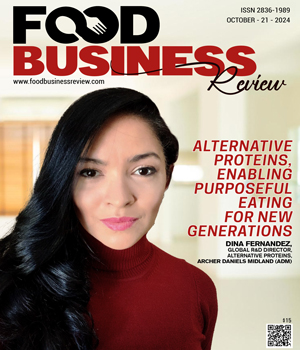
Alternative Proteins & Plant Based Food - 2024
Nominate a Company
Usually, the qualified subscribers of our magazine nominate companies with whom they have collaborated and experienced exceptional results to be in this list. Did a company you recently worked with give you stellar results and ROI? Did it turn out to be one you would wholeheartedly recommend to peers? Or do you know of such an outstanding company through your network? Please fill in the details below and nominate them to be featured here.

Top Alternative Proteins Companies

NURA pioneers the alternative proteins market with a holistic approach to health, sustainability and innovation. Its diverse portfolio of products, collaborative client partnerships and expert team redefine possibilities in the evolving landscape of functional foods and ingredients. ... read full profile
Clover Sonoma
Clover Sonoma is a family-owned dairy producing high-quality dairy products for over 100 years, sourcing milk from local family farms that follow sustainable and humane practices.

Current Foods
Current Foods is a company dedicated to creating plant-based seafood alternatives. Their mission is to provide sustainable, nutritious, and delicious seafood options without compromising on taste or texture.
Hallelujah Diet
Hallelujah Diet, featured on myhdiet.com, promotes a plant-based diet designed to improve overall health and wellness.

Meyenberg
Meyenberg offers a variety of goat milk products, including whole goat milk, low-fat goat milk, powdered goat milk, and goat butter.
PURIS
PURIS specializes in pea protein, which is used in a variety of products, including plant-based milk, alternative meats, protein bars, snacks, and cereals.
Ruth’s Vegetarian Gourmet
Ruth’s Vegetarian Gourmet specializes in plant-based comfort food, perfect for today’s busy families. They focus on using real, simple ingredients without soy, fillers, dyes, nitrates, MSG, or corn syrup.
Skinner Butcher
Skinny Butcher is a company that specializes in plant-based chicken alternatives. They offer a unique line of products that are double-breaded for a crispy texture, aiming to replicate the taste and feel of real chicken.

Sun-Maid
Sun-Maid is a well-known brand that specializes in dried fruit products, particularly raisins. They are celebrated for their commitment to quality and have been a trusted name in households for generations.
VeganUs
VeganUs is a company dedicated to creating delicious and convenient plant-based foods. They aim to overcome the common hurdles of flavor and convenience that often deter people from adopting a plant-based diet.
Alternative Proteins & Plant Based Food Info
Q1
What Do Top Alternative Proteins and Plant Based Food Companies Offer?
Top Alternative Proteins and Plant Based Food Companies develop food products and ingredients designed to replace or reduce reliance on conventional animal proteins. That includes plant-based meat substitutes, dairy alternatives, fermentation-derived proteins, protein ingredients and functional food components used in packaged foods, foodservice and manufacturing. The category now spans consumer brands, ingredient suppliers and food technology firms. The landscape has broadened beyond soy burgers and tofu. Buyers evaluating alternative protein companies now look at protein functionality, ingredient sourcing, taste stability, allergen considerations and manufacturing scale. Pea protein, fava protein, wheat gluten and fermentation-derived ingredients are increasingly common across the category.
Q2
Why Is Demand for Top Alternative Proteins and Plant Based Food Companies Growing?
Consumer eating habits shifted first, but supply-chain pressure and retailer demand accelerated adoption. Food manufacturers and restaurant operators are under pressure to diversify protein sourcing, reduce environmental exposure and respond to changing dietary preferences. That includes flexitarian diets, allergy-sensitive consumers and buyers looking for lower saturated fat options. Top Alternative Proteins and Plant Based Food Companies are also benefiting from improvements in product quality. Earlier plant-based products often struggled with texture, flavor consistency and ingredient labels overloaded with stabilizers. More recent entrants are investing in protein processing, fermentation and formulation methods that improve cooking behavior and shelf stability while reducing ingredient complexity. The category remains volatile, though. Growth expectations have moderated in some retail segments, particularly where pricing and taste parity remain unresolved.
Q3
How Should Food Manufacturers Evaluate Alternative Protein Providers?
Ingredient sourcing matters more than branding. Food manufacturers evaluating plant-based food companies should examine protein consistency, allergen handling, formulation support and production reliability before marketing claims. A protein ingredient that performs well in beverages may fail in extrusion or frozen applications. Texture stability, emulsification behavior, flavor carry-through and moisture retention all affect manufacturing outcomes. Some suppliers specialize in retail-ready products while others focus on industrial ingredients for bakery, snacks or prepared meals. Procurement teams should also review regional supply resilience. Pea protein supply, for example, has experienced periodic pricing and availability swings tied to crop yields and processing capacity. That creates downstream risk for brands relying heavily on a single ingredient source.
Q4
What Business Value Do Alternative Protein and Plant-Based Food Companies Deliver?
The business case varies by sector. For consumer brands, plant-based food products can expand dietary reach and create new product lines without abandoning core customers. Foodservice operators often use alternative proteins to widen menu options without restructuring kitchens around niche dietary programs. In manufacturing, diversified protein sourcing can reduce exposure to livestock volatility and create more flexible product development pipelines. Some companies also use alternative proteins to meet retailer sustainability requirements or institutional procurement targets. The category’s value is no longer tied solely to vegan consumers. Many products are designed for occasional substitution rather than full dietary replacement. That shift has influenced product development, packaging and pricing across Top Alternative Proteins and Plant Based Food Companies.
Q5
What Role Do Technology and Food Science Play in This Category?
Food science sits at the center of the category. Texture replication, protein binding, flavor masking and shelf-life management remain difficult formulation problems, particularly in meat and dairy alternatives. Plant proteins behave differently under heat, pressure and moisture. Soy, pea and wheat proteins each create different structural outcomes in extrusion and processing. Fermentation-derived proteins add another layer, especially for egg and dairy replacement applications. Precision fermentation, ingredient fractionation and protein blending are becoming more common among advanced providers. Manufacturers are also investing in cleaner labels, shorter ingredient lists and improved nutritional balance after criticism that some early plant-based products resembled heavily processed foods.
Innovation in this category is less about novelty now and more about repeat purchasing behavior. Taste consistency and price still determine whether products stay on shelves.
Q6
What Should Buyers Prioritize When Comparing Top Alternative Proteins and Plant Based Food Companies?
The strongest providers usually balance formulation performance, supply reliability and realistic commercialization support. Buyers should examine how products perform in actual production settings, not only in controlled demonstrations.
Key evaluation areas include:
ingredient traceability
production capacity
formulation support
cold-chain requirements
labeling compatibility
shelf-life stability
pricing consistency
Food manufacturers should also assess whether a provider understands the intended application. A company optimized for retail meat alternatives may not be suitable for beverage proteins, bakery applications or institutional foodservice.
For retailers and distributors, repeat purchase behavior matters more than launch hype. Several Top Alternative Proteins and Plant Based Food Companies entered the market with aggressive expansion plans but struggled once consumer trial slowed. Long-term viability depends on manufacturing discipline, product quality and realistic demand alignment rather than category buzz alone.
